 ChatGPT
 Perplexity
 Grok
 Google AI
Choosing online form software requires careful consideration. Different platforms solve different business problems. Your ideal choice depends on your conversion goals. It also depends on your team’s workflow.
LeadX and Typeform take different approaches to forms. Both platforms support modern online form creation. However, their broader experiences can differ considerably. Understanding those differences helps you decide.
LeadX vs Typeform: The Main Difference
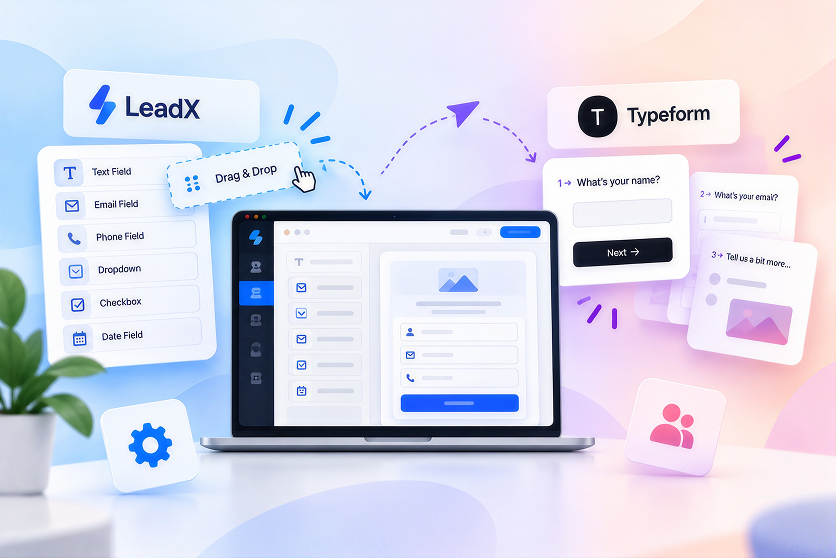
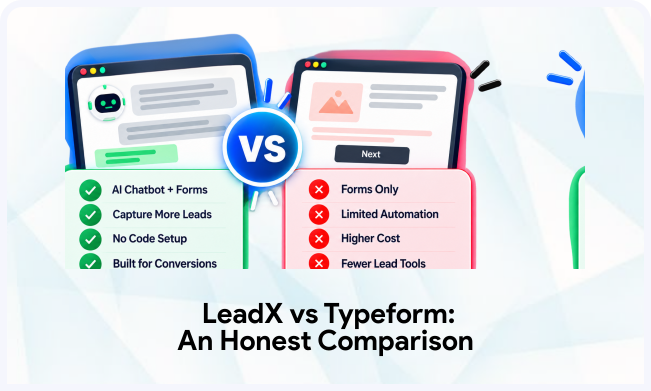
LeadX focuses on lead-generation workflows. Typeform is known for interactive form experiences. Both platforms support engaging digital forms. However, their priorities can feel different.
LeadX connects form creation with lead-focused workflows. This approach suits businesses that capture customer enquiries. Typeform offers an established conversational-style experience. It works well for surveys, forms, and interactive questionnaires.
Form Building And User Experience
Form builders should make creation straightforward and flexible. Users need tools that support different conversion requirements. They also need forms that feel natural. A complicated builder can slow down campaigns.
LeadX provides tools for creating different form experiences. Businesses can build forms around specific lead requirements. Typeform also focuses heavily on interactive experiences. Both approaches can support professional customer-facing forms.
LeadX Form Creation
LeadX helps businesses build forms without complex development. Users can create forms around specific business needs. The platform also supports smarter form experiences. This can help teams create focused conversion journeys.
Typeform Form Creation
Typeform is widely associated with interactive form experiences. Its interface centres around question-based interactions. This approach can create a conversational feeling. It can also work well for surveys and questionnaires.
LeadX Features For Lead Capture
Lead generation requires more than collecting contact details. Businesses also need useful information from submissions. They may need qualification, organisation, and follow-up workflows. This makes lead-focused functionality especially valuable.
LeadX places lead capture at the centre. Its tools support forms designed around customer acquisition. Businesses can structure questions around qualification needs. This can help create more targeted enquiries.
15 Form Design Best Practices That Increase Conversions also covers stronger form design principles. Good design can reduce unnecessary friction during completion. It can also create clearer conversion paths.
Lead Qualification
Lead qualification can happen during form completion. Businesses can ask relevant questions before follow-up. This provides useful context about each enquiry. It can also reduce repetitive sales conversations.
Lead Management
Captured leads need organised handling after submission. Lead management can simplify this process considerably. Teams can review submissions within their workflow. This keeps lead information easier to manage.
Typeform Alternatives For Lead Generation
Businesses often explore Typeform alternatives for specific reasons. Some need stronger lead-focused workflows. Others want different form-building options. The right alternative depends on business requirements.
LeadX provides another approach to online form software. Its focus centres around forms and lead capture. Businesses can create forms around conversion objectives. This makes it relevant for lead-focused websites.
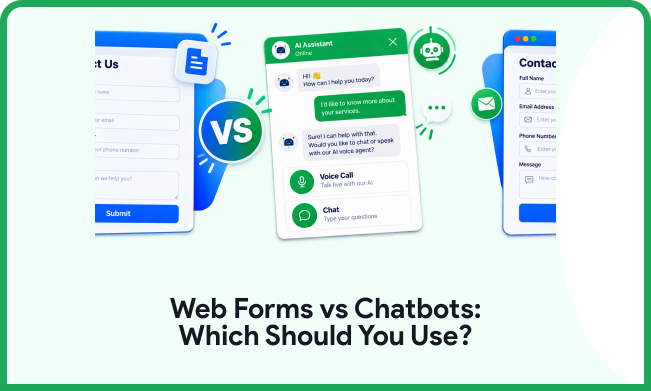
Web Forms vs Chatbots: Which Should You Use? explores different visitor engagement approaches. It also explains when structured forms make sense. This can help businesses consider their conversion journey.
When To Consider An Alternative
A platform may no longer fit changing requirements. Growing teams often need stronger lead workflows. Marketing teams may need more flexible conversion tools. These needs can encourage businesses to explore alternatives.
Compare Workflows Before Switching
Don’t compare features in isolation. Review how each platform supports daily workflows. Consider creation, submission, management, and follow-up. This provides a more useful comparison.
Conditional Logic And Smart Forms
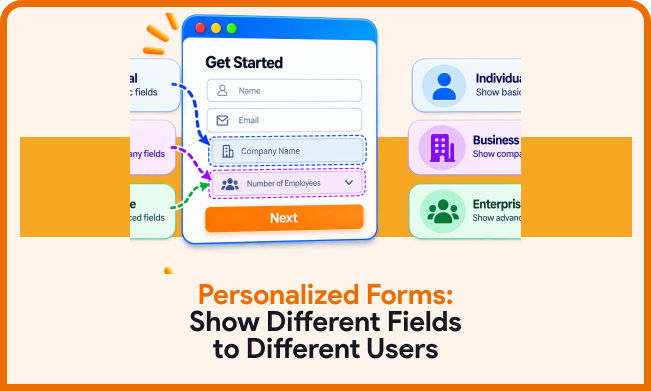
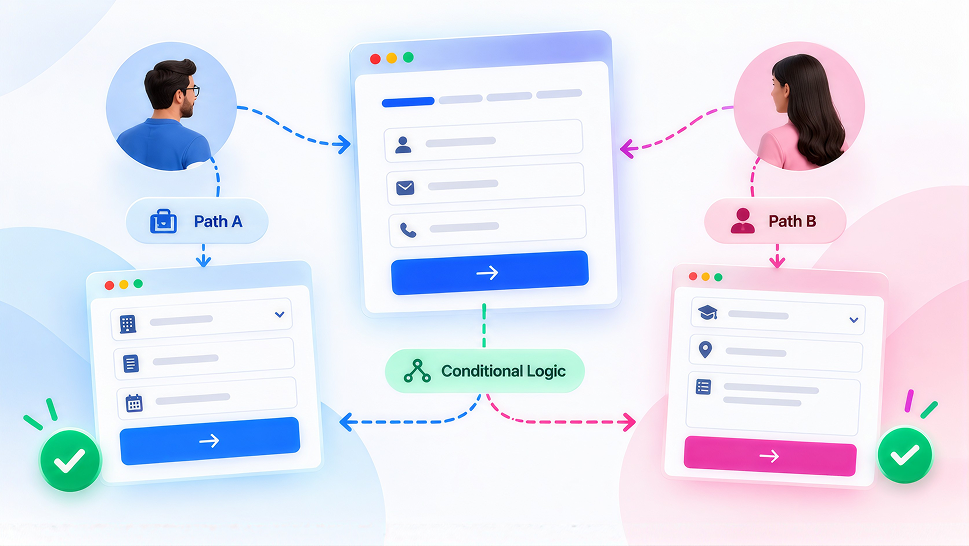
Modern forms can adapt to visitor responses. Conditional logic helps display relevant questions. This can reduce unnecessary fields during completion. It can also support more targeted lead capture.
LeadX supports smarter form experiences for different needs. Businesses can create paths based on user responses. This helps keep forms focused and relevant. Typeform also provides logic-based form experiences.
Different Visitor Paths
Different visitors may require different questions. Conditional logic can separate those experiences. One visitor might need qualification questions. Another visitor might need only basic details.
Better Information Collection
Smart forms can collect information progressively. Visitors avoid seeing every question immediately. This can make longer forms feel easier. Businesses can still gather useful qualification information.
AI And Modern Form Experiences
AI is changing how businesses approach online forms. It can simplify form creation and personalisation. It can also support more adaptive experiences. These developments make form builders more flexible.
LeadX incorporates AI into its approach to forms. Businesses can use smarter tools when creating forms. AI can also support more responsive collection experiences. The value depends on practical implementation.
AI-Powered Forms: The Future of Customer Data Collection explores this changing form landscape. It explains how AI can influence collection. These developments can shape future lead-generation workflows.
AI-Assisted Form Creation
Creating forms manually can take a lot of time. AI can help structure questions more quickly. It can also support different form requirements. Teams can then refine the generated experience.
Smarter Visitor Experiences
AI can help forms respond to visitors. Questions can become more relevant as visitors complete the form. This creates a more personalised experience. Businesses can collect information without excessive complexity.
Conversational Forms And Typeform
Interactive forms can make completion feel more engaging. They guide visitors through questions progressively. This can reduce the visual burden of long forms. It can also create a smoother interaction.
Typeform is strongly associated with this interaction style. LeadX also supports conversational form approaches. The difference comes from the broader workflow. Businesses should assess both experience and lead handling.
Conversational Forms: The New Way to Collect Leads explores this approach in greater detail. Conversational forms can make lead capture interactive. They can also guide visitors through qualification.
Interactive Lead Capture
Interactive forms can encourage visitors to continue. Questions appear in a controlled sequence. This can make the process feel more manageable. The approach works particularly well for guided journeys.
Structured Data Collection
Interactive experiences still need structured information. Businesses need useful answers for follow-up. Form design should therefore balance engagement with clarity. Each question should support a defined purpose.
Pricing And Overall Value
Pricing should always match your business requirements. Cheap software can become expensive without the features you need. Expensive software may include unnecessary functionality. Value depends on actual usage and workflow.
When comparing LeadX vs Typeform, examine the complete offering. Consider form limits, integrations, automation, and lead handling. Also review your expected submission volume. These factors can influence overall software value.
Integrations And Business Workflows
Forms rarely operate completely independently. Businesses often connect forms with other systems. These connections can support marketing and sales workflows. They can also reduce repetitive manual tasks.
Consider your existing tools before selecting software. Check whether your preferred systems fit the platform. Review how submitted information moves afterwards. A strong workflow can save considerable administrative effort.
Which Platform Fits Your Business?
No single platform fits every business. Your needs should guide the final comparison. Start with your primary conversion objective. Then consider your team’s daily workflow.
LeadX suits businesses prioritising lead-generation workflows. Typeform can suit teams prioritising interactive forms. Both approaches can support different business scenarios. Your requirements should determine the better fit.
Lead-Focused Businesses
Lead-focused businesses need efficient information collection. They also need useful qualification and follow-up. A lead-focused platform can support these requirements. Workflow simplicity can become particularly valuable.
Experience-Focused Businesses
Some businesses prioritise highly interactive experiences. Surveys and questionnaires may need engaging interfaces. Interactive design can influence how visitors respond. Typeform’s approach can suit these requirements.
Make Your Form Strategy More Effective
Software alone does not guarantee stronger results. Your questions, design, and user journey matter. Forms should support clear business objectives. Every field should have a useful purpose.
Review your current forms before switching platforms. Identify friction points and unnecessary questions. Examine where visitors abandon the journey. Then compare platforms against those specific problems.
Conclusion
LeadX vs Typeform involves more than feature counting. Each platform offers a different approach. LeadX focuses strongly on lead capture workflows. Typeform centres heavily on interactive experiences. Your requirements should guide the final choice. Consider features, workflows, integrations, and expected usage. Then choose software matching your business objectives.
Frequently Asked Questions
Yes, LeadX can serve as an alternative. It focuses on lead-capture workflows. Businesses can compare both against their requirements.
Yes, LeadX supports lead-focused form experiences. Businesses can build forms around conversion goals. They can also collect relevant qualification information.
Yes, Typeform is known for interactive experiences. Its question-based approach supports engaging form journeys. It can suit various questionnaire-based use cases.
The right choice depends on your business workflow. LeadX focuses heavily on lead capture requirements. Your team should compare features against actual needs.
Yes, pricing should form part of your comparison. Review plans against expected usage and requirements. Also consider included features and workflow capabilities.