
 ChatGPT
 Perplexity
 Grok
Grok
 Google AI
Visitors do not always complete ecommerce forms. Many leave after sharing valuable information. That can leave businesses with missed sales opportunities.
Ecommerce lead recovery gives those prospects another chance. Businesses can capture partial submissions before visitors leave. They can then use timely follow-ups to encourage returns.
What Are Abandoned Leads?
Abandoned leads are visitors who leave forms unfinished. They may already provide names, emails, or product details. That information can reveal genuine interest. Businesses can use it for carefully timed follow-ups.
These visitors have already taken some meaningful action. Their behaviour can reveal potential buying intent. Recovering this information can create another sales opportunity. It can also improve future lead follow-up strategies.
Why Do E-commerce Visitors Abandon Forms?
Form abandonment can happen for many different reasons. Long forms can make completion feel like unnecessary work. Unclear questions can also make visitors hesitate.
Mobile users may face additional usability problems. Small fields can make typing uncomfortable. Slow forms can interrupt an otherwise smooth shopping experience.
Some visitors simply get distracted during the process. Others may want more time before deciding. Understanding these reasons helps businesses improve their forms. It also helps them create better recovery strategies.
Why Abandoned Leads Still Have Value
An unfinished form does not always mean a loss of interest. Visitors may have already taken meaningful actions. They might select products or provide contact information.
Those actions can reveal where visitors are within journeys. They can also help businesses understand customer intent. This makes partial submissions useful for targeted follow-ups.
The opportunity becomes stronger when businesses capture information early. Early data collection can preserve valuable details. Those details can support future conversations with interested visitors.
How to Build an Effective Lead Recovery Strategy
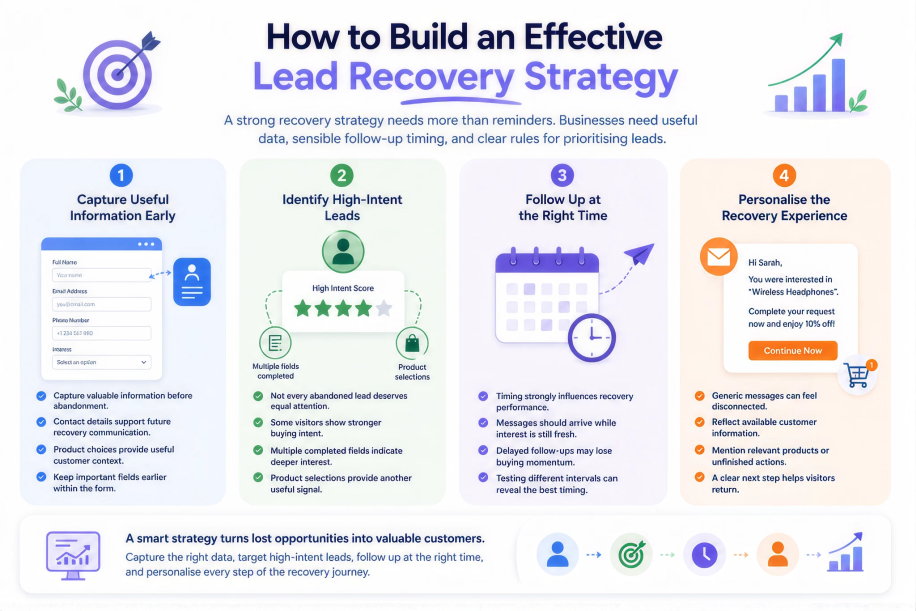
A strong recovery strategy needs more than reminders. Businesses need useful data and sensible follow-up timing. They also need clear rules for prioritising leads.
Capture Useful Information Early
Businesses should capture valuable information before abandonment. Contact details can support future recovery communication. Product choices can provide useful customer context. Keep important fields earlier within the form.
Identify High-Intent Leads
Not every abandoned lead deserves equal attention. Some visitors show stronger buying intent than others. Multiple completed fields can indicate deeper interest. Product selections can provide another useful signal.
Follow Up at the Right Time
Timing can strongly influence recovery performance. Messages should arrive while interest remains reasonably fresh. Delayed follow-ups may lose some buying momentum. Testing different intervals can reveal suitable timing.
Personalise the Recovery Experience
Generic messages can feel disconnected from previous actions. Recovery messages should reflect available customer information. Mention relevant products or unfinished actions where appropriate. A clear next step also helps visitors return.
Reducing Form Abandonment Before It Happens
Recovery can bring back some lost opportunities. However, preventing abandonment remains equally important. Businesses should examine their forms before building recovery workflows.
Start by reviewing every field within the form. Remove questions that provide little useful information. Keep instructions simple and easy to understand.
Form length also deserves careful attention. Every additional field creates another completion step. Visitors may leave when the process feels excessive.
For more practical guidance, read How to Reduce Form Abandonment and Increase Conversions. The article focuses specifically on reducing abandonment. It can help businesses improve completion before recovery begins.
How Lead Follow-Up Automation Supports Recovery
Manual follow-ups become difficult as lead volumes grow. Teams cannot monitor every abandoned form themselves. Lead follow-up automation can handle repetitive recovery tasks.
Automation can detect abandoned submissions automatically. It can then trigger follow-ups based on predefined rules. Different leads can enter different recovery journeys.
This approach also improves consistency. Suitable leads can receive follow-ups without unnecessary delays. Sales teams can then spend more time on qualified prospects.
A simple recovery workflow might look like this:
- Visitor starts an online form
- Useful information gets captured
- Visitor leaves before completion
- System identifies the abandoned submission
- Follow-up gets triggered
- Visitor returns to continue
- Conversion gets recorded
Choosing the Right Recovery Message
The recovery message should make it easy to return. Visitors should understand why they received it. They should also know what to do next.
Keep the wording helpful and relevant. Avoid filling messages with unnecessary promotional content. Use available information to make communication more personal.
Testing can reveal which messages perform best. Different audiences may respond to different approaches. Review results and improve messages over time.
Abandoned Forms and Abandoned Carts Need Different Strategies
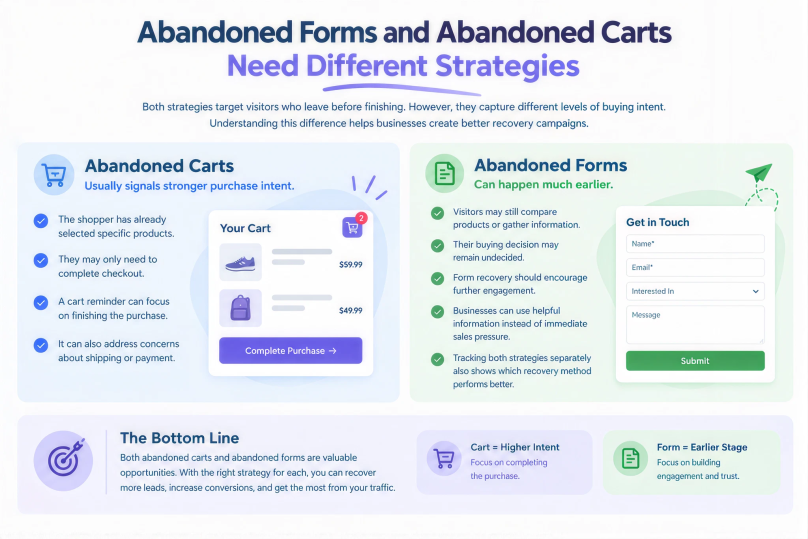
Both strategies target visitors who leave before finishing. However, they capture different levels of buying intent. Understanding this difference helps businesses create better recovery campaigns.
An abandoned cart usually signals stronger purchase intent. The shopper has already selected specific products. They may only need to complete checkout. A cart reminder can focus on finishing the purchase. It can also address concerns about shipping or payment.
An abandoned form can happen much earlier. Visitors may still compare products or gather information. Their buying decision may remain undecided. Form recovery should encourage further engagement. Businesses can use helpful information instead of immediate sales pressure. Tracking both strategies separately also shows which recovery method performs better.
How the Store Recovered $50K
The store already attracted visitors with buying interest. Many shoppers interacted with its forms before leaving. Those interactions contained useful information about potential customers. Previously, much of that information went unused.
The business changed its approach to abandoned interactions. It started capturing valuable details before form completion. It then created suitable follow-up processes for those leads. Automation helped manage these follow-ups consistently.
Some visitors returned after receiving follow-up messages. Others completed their original enquiry or purchase journey. These recovered conversions generated additional sales revenue. Together, the recovered opportunities reached $50K. The result showed the value within existing website traffic.
What Should Businesses Measure?
Revenue provides the clearest measure of recovery success. However, businesses should track earlier stages too. These numbers explain where opportunities are being gained.
Useful measurements include:
- Abandoned leads captured
- Partial submissions recovered
- Follow-up response rates
- Recovered conversions
- Revenue from recovered leads
- Recovery conversion rate
- Cost per recovered lead
These metrics help businesses understand campaign performance. They also reveal weaknesses within individual recovery stages.
For businesses prioritising lead quality, read Using AI to Prioritise High-Quality Leads. It explores ways to identify stronger prospects. This can support more focused follow-up efforts.
Common Mistakes That Hurt Lead Recovery
Even well-planned recovery campaigns can underperform. Small mistakes can affect conversions and customer experience.
- Sending too many messages: Excessive follow-ups can frustrate potential customers. Keep recovery sequences useful and appropriately spaced.
- Using identical messages: Every abandoned lead has different circumstances. Personalised communication can make follow-ups more relevant.
- Waiting too long: Delayed communication can reduce buying momentum. Test timing while interest remains relevant.
- Ignoring partial submissions: Incomplete forms can still contain valuable information. Capture useful details before visitors leave.
- Making messages too promotional: Recovery should feel helpful and natural. Avoid turning every message into a sales pitch.
- Ignoring abandonment patterns: Where visitors leave can reveal form problems. Use those patterns to improve the original experience.
- Measuring only lead volume: More recovered leads do not necessarily translate to revenue. Track conversions and recovered sales as well.
How LeadX Forms Supports Lead Recovery
LeadXForms helps businesses capture leads through online forms. Its platform supports lead capture during customer interactions. This can create more opportunities for recovering abandoned leads.
Businesses can use captured information within follow-up workflows. They can also connect form activity with existing processes. This can make lead management easier to organise.
For businesses comparing different form experiences, Multi-step forms vs single-step forms offers another useful resource. Form structure can affect how visitors complete journeys. Choosing the right approach can lead to higher completion rates.
For ecommerce businesses, this creates a connected approach. Forms capture visitor information during the journey. Recovery workflows can then support suitable follow-up.
Turning Abandoned Leads Into Revenue Opportunities
Abandoned leads should not automatically become lost opportunities. Their previous actions can still reveal valuable intent. Businesses can use that information to reconnect thoughtfully.
The process starts with better form design. It continues with useful data capture and lead prioritisation. Timely follow-ups then give interested visitors another opportunity.
This approach can complement broader lead generation efforts. Businesses can improve existing traffic before chasing more traffic. That can make ecommerce marketing more efficient.
Businesses can also review What Happens After Someone Submits Your Form? for follow-up ideas. A strong post-submission process keeps leads moving forward. That supports better lead management beyond the initial form.
Conclusion
Abandoned leads can contain valuable buying opportunities. Businesses should not automatically treat them as lost. Partial submissions can reveal meaningful customer intent.
Ecommerce lead recovery creates another path towards conversion. Better forms can prevent unnecessary abandonment. Timely follow-ups can recover suitable remaining opportunities. The right process can turn missed interactions into revenue.
Frequently Asked Questions
Ecommerce lead recovery reconnects with visitors who abandon forms. Businesses use captured information for relevant follow-ups. The aim is to recover potential sales opportunities. It can also help businesses gain more value from existing traffic.
Businesses first capture useful information before form abandonment. They then identify suitable leads for follow-up. Automated messages can encourage visitors to return. Personalised communication can make those messages more relevant.
Partial submissions can contain names, email addresses, and preferences. They may also reveal product interests or enquiries. The available information depends on the form structure. Capturing useful fields early improves recovery opportunities.
No, they represent different stages of customer intent. Abandoned carts usually indicate stronger purchase intent. Form abandonment can happen much earlier. Each strategy therefore needs different recovery messaging.
Businesses should track both conversions and recovered revenue. They can also measure response and recovery rates. Comparing these figures reveals campaign performance. Cost per recovered lead can show overall efficiency.