
 ChatGPT
 Perplexity
 Grok
Grok
 Google AI
Conversational forms are changing how businesses collect leads. They replace static fields with guided, interactive conversations. Visitors answer questions one step at a time. This creates a simpler and more engaging experience.
In this guide, we will closely explore conversational forms. We will explain how they improve lead capture. You will also learn where they work best. We will cover smart design, engagement, and conversions. You will also discover common mistakes to avoid.
What Are Conversational Forms?
Conversational forms turn traditional forms into guided interactions. Instead of showing all the fields together, they reveal the questions gradually. Visitors answer one question before seeing another. This creates a more natural conversation-like experience. These forms can use different question formats. They may include text fields, buttons, selections, and conditional questions.
Why Traditional Forms Often Lose Leads
Traditional forms can overwhelm visitors with too many fields. A long page may immediately create completion fatigue. Users may also question why information gets requested. These issues can reduce form engagement and increase abandonment. The number of fields can also influence completion behaviour.
For guidance, How Many Fields Should Your Lead Form Have? explores this challenge. Reducing unnecessary questions can create a simpler experience. Conversational layouts provide another way to manage longer forms.
How Conversational Forms Change Lead Capture
Conversational forms break complicated journeys into smaller interactions. Visitors focus on one question at a time. Each answer can also influence the next question. This keeps the experience relevant and easier to follow. For example, a service form can ask about needs first. The next question can then reflect that answer.
Visitors avoid seeing irrelevant questions during completion. This approach can make lead capture forms feel personalised. Businesses can also gather useful information without overwhelming visitors.
The Role of Interaction in Form Engagement
Interaction can influence how visitors respond to forms. Static layouts provide limited guidance during completion. Interactive forms can foster greater engagement throughout the journey. They can also make complicated questions easier to understand.
Good interaction should always support the visitor’s goal. Unnecessary animations can create distraction and frustration. Clear questions should remain the main priority. Useful interactions should make completion feel simpler.
Where Conversational Forms Work Best
Conversational forms can support many lead generation scenarios. Their value increases when businesses need useful context. They can also help when forms contain several questions.
Service Enquiries
Service enquiries often require different information from each visitor. Conversational forms can ask questions based on service needs. This prevents visitors from seeing irrelevant fields. Businesses can collect more useful information before follow-up.
Product Recommendations
Product forms can guide visitors towards suitable options. Each response can narrow the available recommendations. Visitors receive a more guided experience during the selection process. Businesses also learn more about customer preferences.
Qualification Forms
Qualification forms need information about customer needs and intent. Conversational questions can gradually gather this information. Conditional logic can reveal detailed questions when needed. Sales teams then receive better context for follow-up.
Appointment Requests
Appointment forms often require dates, services, and preferences. Showing everything together can make completion feel complicated. Conversational steps can clearly separate these decisions. Visitors can focus on each appointment detail individually.
What Makes a Conversational Form Effective?
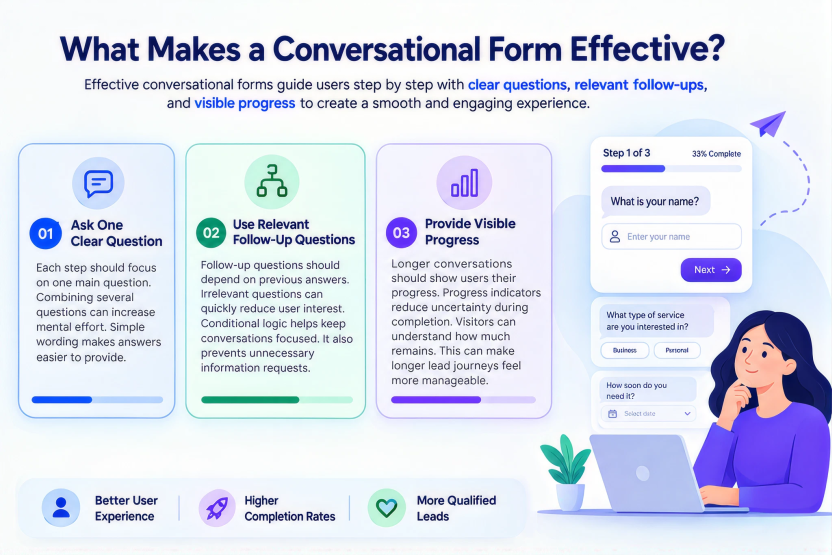
Effective conversational forms need more than attractive interfaces. Questions should follow a clear and logical sequence. Visitors should understand why each question appears. The process should also remain short and focused.
Ask One Clear Question
Each step should focus on one main question. Combining several questions can increase mental effort. Simple wording makes answers easier to provide. Visitors should understand the expected response immediately.
Use Relevant Follow-Up Questions
Follow-up questions should depend on previous answers. Irrelevant questions can quickly reduce user interest. Conditional logic helps keep conversations focused. It also prevents unnecessary information requests.
Provide Visible Progress
Longer conversations should show users their progress. Progress indicators reduce uncertainty during completion. Visitors can understand how much remains. This can make longer lead journeys feel more manageable.
Conversational Forms and Lead Quality
Better engagement does not only mean more submissions. Businesses also need useful, reliable information. Conversational forms can naturally gather additional context. That context can support stronger lead qualification.
Businesses can use responses to understand visitor intent. They can identify needs, preferences, budgets, and timelines. Sales teams receive more information before making contact. This can make follow-up conversations more relevant.
How Smart Forms Support Conversational Experiences
Smart forms adapt according to visitor responses. They can display relevant questions while hiding unnecessary ones. This creates a more personalised form journey. It also reduces the information shown at once.
For a broader comparison, Smart Forms vs Traditional Forms: Which Performs Better?explains these differences. Smart functionality can improve usability and information collection. However, businesses should keep each interaction purposeful.
Designing Conversational Forms for Better Conversions
Conversion-focused forms remove unnecessary barriers during completion. Every question should have a clear reason. Language should also match the audience’s expectations. Avoid making the experience feel like an interrogation.
Mobile users need special consideration during form design. Questions should remain readable on smaller screens. Buttons should also provide enough touch space. Simple layouts can support stronger engagement with form.
Avoid These Conversational Form Mistakes
Conversational design can create problems when used poorly. Too many steps can make simple forms feel longer. Unclear questions can also create confusion during completion. Businesses should test every interaction before publishing.
Common mistakes include:
- Asking unnecessary questions
- Creating excessive conversation steps
- Using unclear button labels
- Showing irrelevant follow-up questions
- Hiding important progress information
- Adding distracting animations
- Collecting information without clear purpose
Review each step from the visitor’s perspective. Remove anything that does not support completion.
How LeadX Forms Supports Conversational Experiences
LeadX Forms helps businesses create lead-capture forms. LeadX Forms provides tools for building website forms. Its platform supports smart forms and conditional logic. These features can help create relevant form journeys.
LeadX Forms also supports AI-powered form creation. Businesses can create forms without extensive technical knowledge. The platform can connect captured leads with other business tools. This supports a broader lead management workflow.
For another comparison, LeadX Forms vs Traditional Contact Forms explores different form approaches. Understanding these differences can help businesses choose suitable experiences.
From Form Completion to Lead Follow-Up
A conversational form should not end at submission. Businesses need a clear process for handling new leads. Fast follow-up can help maintain visitor interest. Delayed responses can weaken strong engagement.
Automation can move captured information into other systems. Businesses can also trigger notifications or follow-up actions. What Happens After Someone Submits Your Form? explains this next stage. A complete workflow connects capture, qualification, and follow-up.
When Should You Use Conversational Forms?
Conversational forms work best when context matters. They suit businesses asking several related questions. They can also help when visitors need guided decisions.
Simple forms may not need conversational interactions. A basic contact form can remain quick and direct. The right approach depends on form complexity and audience expectations. Choose the simplest experience that meets your goals.
Conclusion
Conversational forms can make lead capture more engaging. They guide visitors through questions in manageable steps. Smart logic can make each interaction more relevant. Businesses can collect useful information without overwhelming visitors. The best approach keeps every question purposeful. Better experiences can support stronger leads and conversions.
Frequently Asked Questions
Conversational forms guide visitors through questions step by step. They reveal information gradually rather than showing everything at once. This creates a more interactive lead capture experience.
They can work better for complex lead journeys. Simple forms may still suit straightforward enquiries. The best choice depends on user needs and form complexity.
Yes, they can collect more useful visitor context. Follow-up questions can reveal needs and preferences. Sales teams can then receive better qualification information.
Clear questions and logical progression are essential. Relevant follow-up questions also improve the experience. Keep every interaction focused on the visitor’s goal.
LeadX Forms supports smart forms and conditional logic. Its platform also supports AI-powered form creation. These features can help businesses build interactive lead journeys.