
 ChatGPT
 Perplexity
 Grok
Grok
 Google AI
Forms can strongly influence website conversions. Yet guessing rarely produces reliable optimisation decisions. A/B testing forms replaces assumptions with measurable evidence. It shows which version performs better.
Form optimisation does not require complicated experiments. You can test one meaningful change at a time. Then, compare results against your original form. This guide explains each testing step clearly. It also covers common mistakes to avoid.
What Is A/B Testing Forms?
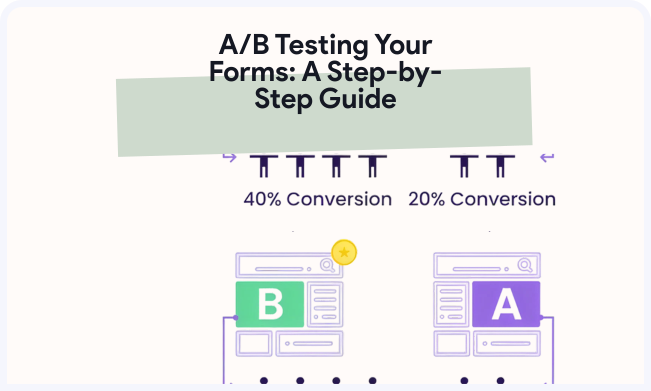
A/B testing forms compares two form versions. Version A becomes your existing control. Version B includes one planned change. Visitors see different versions during the experiment. Their actions create measurable performance data.
The goal is to find better-performing form experiences. You should focus on meaningful improvements in conversion. Useful metrics include submissions and completion rates. Lead quality can also influence final decisions. Testing should therefore consider more than submission numbers.
Why Should You Test Your Forms?
Forms often create friction during customer journeys. Long forms can discourage visitors from completing them. Confusing labels can also reduce user confidence. Unclear calls-to-action may weaken conversion intent. Testing helps identify which problems matter most.
A/B testing provides evidence to inform optimisation decisions. It can reveal stronger layouts and messaging. It can also improve your form conversion rate. Better forms may generate more qualified leads. Consistent testing can support long-term marketing improvements.
Form psychology can also influence conversion behaviour. Understanding user expectations helps identify testing opportunities. The psychology behind high-converting forms can provide useful insights for optimisation.
Step 1: Identify Your Testing Goal
Every experiment needs a clearly defined objective. Start by reviewing your current form performance. Look for noticeable weaknesses or unusual drop-offs. Consider where visitors might experience unnecessary friction. These observations can guide your testing priorities.
Your goal should remain specific and measurable. For example, target more completed form submissions. You could also target higher-quality leads. Avoid testing without understanding your intended outcome. Clear goals make results easier to interpret.
Choose One Primary Metric
Select one primary metric before starting. Form completion rate offers an obvious option. Conversion rate can also be used to measure overall performance. Lead quality may matter for sales-focused campaigns. Choose the metric that best matches your business objective.
Establish Your Current Baseline
Record your existing performance before making changes. Your baseline provides a useful comparison point. Track submissions, visitors, and conversion rates. Also note relevant traffic sources and devices. Accurate baseline data strengthens later conclusions.
Step 2: Choose What to Test
Avoid changing several elements during one experiment. Multiple changes make results difficult to understand. You cannot identify which change caused improvement. Instead, choose one high-impact element. This approach creates cleaner testing results.
Common test elements include headlines and button text. You can also test field numbers and layouts. Form length often deserves careful testing. Required fields may create unnecessary barriers to completion. Choose elements based on your available evidence.
Test Your Form Headline
Your headline establishes the form’s immediate purpose. Test clearer wording against your current headline. Focus on benefits rather than unnecessary explanations. Keep both versions closely aligned in intent. This creates a meaningful headline comparison.
Test Form Length
Shorter forms often reduce completion effort. However, fewer fields can reduce useful information. Test different field combinations against your baseline. Measure both quantity and quality of leads. Choose the version supporting your wider objectives.
Understanding the ideal number of fields can improve testing decisions. You can review How Many Fields Should Your Lead Form Have? before creating different form variations.
Step 3: Create Your Test Variations
Create one controlled variation from your original. Keep the remaining form elements consistent. This helps isolate your chosen experiment variable. Your variation should have a clear hypothesis. Avoid changes based purely on personal preference.
Document exactly what changes between versions. Record your original and updated form elements. Include the reason behind each proposed change. This creates a useful testing history. Future experiments can build upon previous findings.
Using proven design principles can also strengthen your variations. Review 15 Form Design Best Practices That Increase Conversions when deciding which design elements deserve testing.
Step 4: Run Your A/B Test
Launch both versions under comparable conditions. Your testing system should distribute visitors fairly. Avoid manually directing users to a single version. Consistent traffic allocation supports reliable comparisons. Keep the experiment running through normal traffic patterns.
Avoid changing the test while it runs. Additional edits can affect your collected data. External campaigns can also influence visitor behaviour. Record unusual events during your testing period. These notes help explain unexpected performance changes later.
Step 5: Collect Enough Reliable Data
Good testing requires enough meaningful visitor activity. Avoid declaring winners after very few submissions. Small samples can produce misleading performance differences. Continue testing until your results become dependable. Your traffic volume determines testing duration.
Monitor both versions throughout the experiment. Check for technical issues or tracking problems. Review performance across important audience segments. However, avoid overreacting to daily fluctuations. Look for consistent patterns across the test period.
Watch Conversion Performance
Track the primary conversion metric consistently. Compare both versions using the same measurement method. Look for meaningful differences rather than tiny changes. Review submission counts alongside visitor numbers. This creates better performance context.
Step 6: Analyse Your Results
Once testing ends, compare both versions carefully. Start with your primary testing metric. Then review supporting metrics for additional context. Consider whether the difference supports your hypothesis. Avoid choosing winners based on instinct alone.
Look for meaningful and repeatable performance improvements. A strong result should support a clear decision. If results remain unclear, continue testing later. You can also test a different element. Every experiment should provide useful learning.
Identify the Winning Version
Choose the version with stronger overall performance. Consider your primary metric first. Then evaluate lead quality and supporting measures. The winner should support your broader business objective. Document the final result for future reference.
Step 7: Apply Successful Changes
Implement winning changes after confirming your results. Keep a record of the successful experiment. This prevents repeated testing of identical ideas. It also builds a useful knowledge base for optimisation. Your team can reference previous findings later.
Do not stop after finding one winning variation. Successful forms can still contain opportunities for improvement. Test another meaningful element after implementation. Continue building on proven performance insights. This creates an ongoing optimisation process.
Common A/B Testing Mistakes to Avoid
Poor testing practices can produce unreliable conclusions. Testing too many elements creates unnecessary confusion. Ending experiments early can distort your findings. Ignoring lead quality can also lead to misleading decisions. Strong testing requires discipline and consistent measurement.
Avoid changing your testing strategy halfway through. Keep your experiment conditions as consistent as possible. Do not select results because they look impressive. Always compare performance against your original baseline. Reliable testing depends on objective evaluation.
Stopping Tests Too Early
Early results can change significantly as more visitors arrive. A temporary lead does not guarantee final success. Allow sufficient data before making implementation decisions. Consider traffic volume when setting testing periods. Patience helps produce more reliable findings.
Ignoring Mobile Visitors
Many visitors complete forms using mobile devices. Poor mobile experiences can reduce completion rates. Review both versions across different screen sizes. Check spacing, field usability, and button accessibility. Mobile testing supports stronger lead form optimisation.
How LeadXForms Supports Form Optimisation
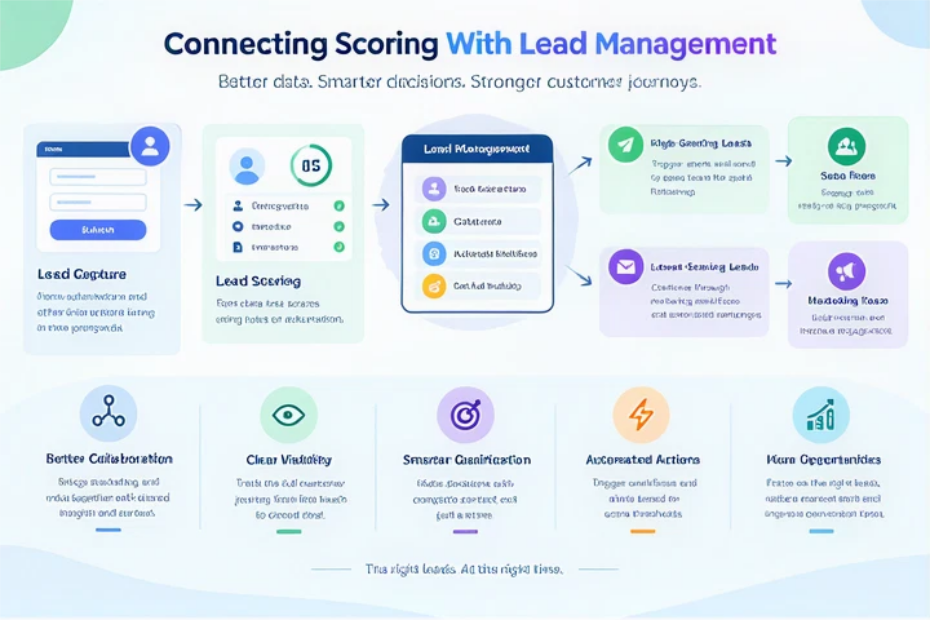
LeadXForms helps businesses create conversion-focused forms. Its form builder supports different form requirements. Conditional logic can create more relevant experiences. Mobile-friendly forms support visitors across devices. These capabilities can support ongoing optimisation work.
Businesses can also use advanced lead-management features. Partial lead capture can preserve incomplete submissions. Spam controls can improve the quality of incoming leads. Integrations can connect forms with marketing tools. These features support broader conversion optimisation workflows.
Businesses can explore these form-building and optimisation capabilities through the LeadXForms website.
Conclusion
A/B testing forms can improve your conversion strategy. Start with one goal and one clear hypothesis. Test meaningful elements using controlled variations. Collect enough data before making final decisions. Then apply successful changes and test again. Consistent testing can create stronger forms over time.
The best results come from treating optimisation as an ongoing process. Use your own performance data to identify opportunities. Test changes systematically rather than relying on assumptions. Over time, each experiment can provide insights that help create more effective forms.
Frequently Asked Questions
A/B testing forms can raise several practical questions. Understanding the process makes experimentation easier. These answers cover common testing and optimisation concerns. They can help you plan better experiments.
Remember that every audience behaves differently. Results should guide decisions for your specific business. Use your own data whenever possible. Then continue improving based on reliable findings.
A/B testing forms compares two form versions. Visitors interact with different versions during testing. Their performance helps identify the stronger variation. Businesses can then implement evidence-based improvements.
Start with elements likely to affect conversions. Form length and call-to-action copy work well. Headlines can also influence visitor understanding. Choose based on your existing performance data.
Testing duration depends on your website traffic. Higher traffic can produce useful data faster. Lower traffic usually requires longer testing periods. Always collect enough data before deciding.
Yes, testing can influence both quantity and quality. Some changes may attract more relevant prospects. Track lead quality alongside conversion performance. This creates better business-focused testing decisions.
There is no universal testing frequency. Test whenever meaningful improvement opportunities appear. Prioritise experiments based on evidence and potential impact. Continuous testing can support long-term form optimisation.